Our dental surgery and surgeons are suitably qualified and accredited.
Sydney Oral and Maxillofacial Surgery has thorough infection control procedures and ensures staff take every precaution to prevent infections. Healthcare associated infections (HAI) occur as a result of healthcare interventions and can happen whether you are being treated in hospital, in a GP clinic, another healthcare facility, or at home. They are caused by microorganisms such as bacteria and viruses. Some patients are at a higher risk of acquiring an infection, which may lead to a longer recovery time.
By collecting data on healthcare associated infections and analysing this, we are able to identify patterns and trends allowing our clinicians and staff to improve practices and reduce the risks for infection.
The single most important factor in reducing healthcare associated infections is hand hygiene. Simply put, hand hygiene is washing or cleaning your hands with soap and water, or with waterless hand sanitiser (Alcohol Based Hand Rub). While our hands may look clean, many germs are invisible to our eyes. Germs can survive on unwashed hands for over an hour, allowing for bacteria and viruses to be easily transmitted to our environment and other people.
All Sydney Oral and Maxillofacial Surgery staff are expected to frequently clean their hands and to use correct hand hygiene. ‘Hand Hygiene Australia’ is a government-approved organisation that helps train staff in the use of correct hand hygiene. The World Health Organisation has identified five moments for hand hygiene; these are five opportunities when hand hygiene should be performed in a hospital. These Five Moments are:
Sydney Oral and Maxillofacial Surgery staff are regularly audited by being observed when carrying out their duties, to see whether hand hygiene has been performed correctly at each ‘moment’.
It is important that all patients and visitors to Canberra Surgicentre also follow good hand hygiene practices. You can do this by washing or cleaning your hands:
Sydney Oral and Maxillofacial Surgery undertake many surgical procedures each year. On very rare occasions, a patient may be required to return to theatre following their procedure, or alternatively be transferred to another hospital for a higher level of care.
Sydney Oral and Maxillofacial Surgery endeavours to ensure patients do not need a return to theatre or to be transferred to another hospital following their procedure. We minimise this risk by following these steps:
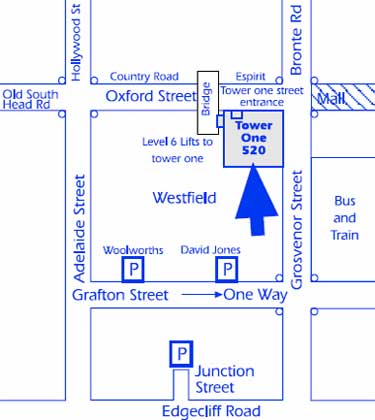
Suite 1401, Level 14, Tower 1
520 Oxford Street,
Bondi Junction, NSW 2022
Phone: 02 9369 2153
Email: frontdesk@soms.com.au